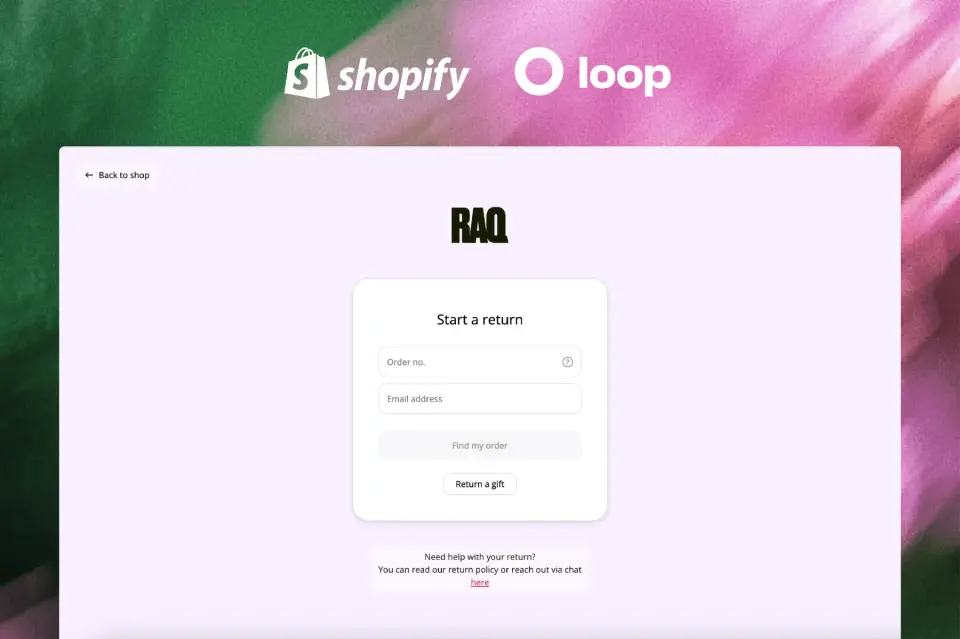
Loop Returns
Loop Returns planning for Australian e-commerce returns teams, focused on a structured customer returns and exchange workflow connected to order data.
Category: Returns
Visit Website (opens in a new tab)Where Loop Returns fits
Loop Returns is worth considering for australian organisations when its role is defined before implementation. It can support a structured customer returns and exchange workflow connected to order data, but selection should start with the customer journey, operational ownership and the systems already in use.
Where it fits in Australia
Australian teams should align the experience with local consumer obligations, domestic carriers, refund timing and support escalation. The useful outcome is a coherent operating process rather than another disconnected app.
What to decide before implementation
Map eligibility, exchanges, store credit, fees, labels, inventory updates, fraud controls, notifications and exception ownership before launch. The decision should also be tied to which return outcomes, policies and exceptions can be handled through self-service, with named owners for launch, quality checks and ongoing review.
For connected planning, explore our post-purchase e-commerce services.
Common use cases for Loop Returns
Australian e-commerce returns teams can consider Loop Returns when they need a structured customer returns and exchange workflow connected to order data. The implementation should be tied to which return outcomes, policies and exceptions can be handled through self-service.
F.A.Q.
Related expertise
Planning a project with Loop Returns?
Start with the service that brings the platform, customer journey and wider technology stack together.
1 project